

Creating a home office that feels both cozy and productive can make a significant difference in your work-from-home experience. Whether you’re working full-time remotely or just occasionally need a spot for focused tasks, the right environment can boost your motivation and comfort. Here are some helpful tips to design a home office space that works for you.
Choose the Right Location
Finding the perfect spot for your home office is the first step to creating an effective workspace.
– Quiet and Private: Select a space with minimal distractions. If possible, use a room with a door to separate work from the rest of home life.
– Good Lighting: Natural light is ideal; set up near a window to brighten your space and improve your mood. If that’s not possible, invest in quality artificial lighting that reduces eye strain.
– Adequate Space: Make sure there’s enough room for your desk, chair, and any additional equipment or storage you need.
Invest in Comfortable Furniture
Comfort is key to maintaining focus during long hours of work.
– Ergonomic Chair: A supportive chair can prevent back and neck pain. Look for adjustable height and lumbar support.
– Functional Desk: Choose a desk size that fits your workspace and allows for your computer, notebooks, and other essentials without clutter.
– Consider Standing Options: Adjustable sit-stand desks can promote movement and reduce fatigue.
Organize and Declutter
A tidy workspace helps clear the mind and increases productivity.
– Storage Solutions: Use shelves, filing cabinets, or baskets to keep supplies organized and out of sight when not in use.
– Cable Management: Tidy cables with clips or sleeves to create a cleaner look and prevent tangling.
– Minimalist Approach: Keep your desk surface clear of unnecessary items to reduce distractions.
Add Personal and Cozy Touches
A welcoming environment can inspire creativity and comfort.
– Soft Textiles: Include a throw blanket or a small rug for warmth and texture.
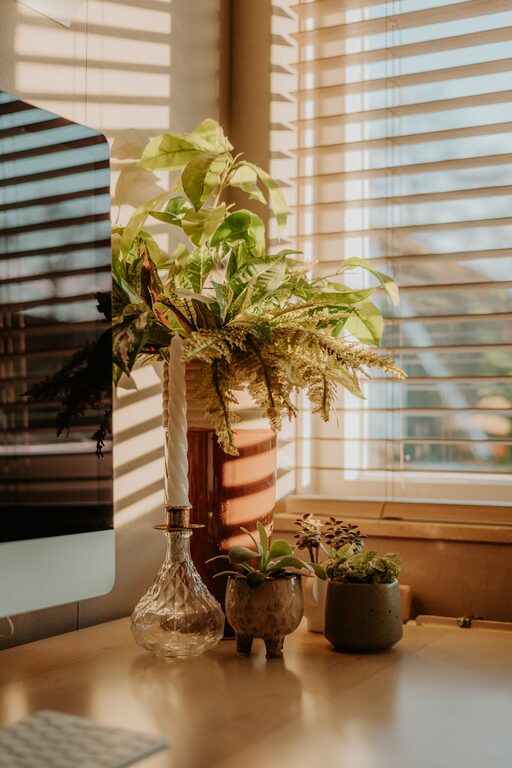
– Plants: Indoor plants can improve air quality and add a calming natural element.
– Artwork and Photos: Display pictures or art that make you happy and motivated without overwhelming the space.
– Aromatherapy: Consider subtle scents like lavender or citrus to enhance relaxation and alertness.
Optimize Lighting for Productivity
Proper lighting not only reduces eye strain but also affects your energy levels.
– Balanced Lighting: Combine natural light with task lighting such as adjustable desk lamps.
– Avoid Glare: Position your monitor to avoid reflections and harsh light.
– Warm and Cool Tones: Use warmer bulbs for a relaxed vibe and cooler, brighter bulbs for focused work.
Create Zones for Different Tasks
If space allows, designate areas for various activities.
– Work Zone: Your main desk where the bulk of your work happens.
– Reading or Thinking Zone: A comfy chair or nook for brainstorming or reading.
– Storage Zone: Shelves or cabinets dedicated to supplies and files.
Maintain Good Air Quality and Temperature
Comfort extends beyond furniture and style.
– Ventilation: Keep your office fresh by opening windows or using an air purifier.
– Temperature Control: Use fans, heaters, or portable climate control as needed to stay comfortable year-round.
Set Up Technology Efficiently
Having reliable and organized tech supports smooth workdays.
– Reliable Internet: Ensure your Wi-Fi signal is strong or invest in a wired connection.
– Necessary Devices: Have all your work tools in one place, including chargers, printers, and backup drives.
– Monitor Positioning: Place your screen at eye level to prevent neck strain.
Establish Boundaries
A cozy and productive office space also depends on mindset.
– Dedicated Work Hours: Stick to set times to maintain work-life balance.
– Clear Signage: Use a “do not disturb” sign if you share your home and need uninterrupted time.
– Transition Rituals: Develop routines to start and end your workday, helping your brain shift between modes.
Regularly Refresh Your Space
Keep your office inviting and efficient by updating as needed.
– Seasonal Changes: Switch up decor or textiles according to seasons to keep inspiration flowing.
– Evaluate Organization: Regularly declutter and adjust storage to stay organized.
– Change Layout: If possible, rearrange furniture to keep things feeling fresh and functional.
—
By thoughtfully designing your home office with comfort, organization, and personal touches in mind, you can create a space that supports both productivity and well-being. Small changes can make a big impact on your workday, helping you feel more focused and at ease. Take your time to experiment and find what setup best suits your style and workflow.