

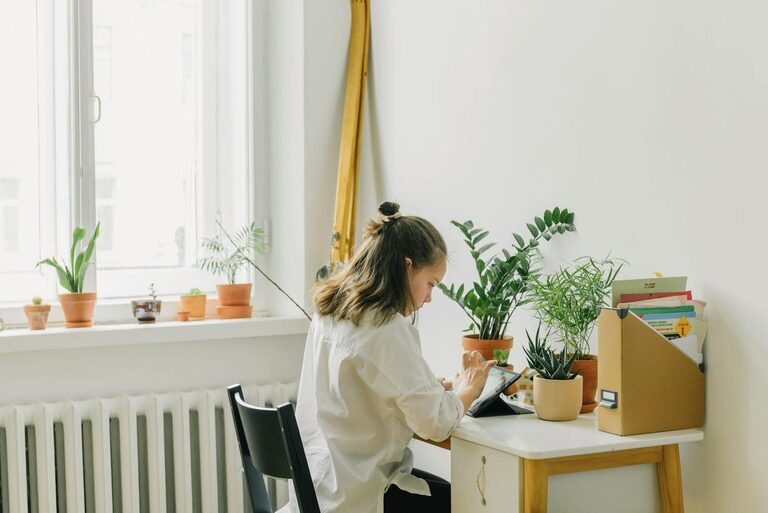
Creating a relaxing home workspace is essential for staying productive, especially as many people continue to work remotely. A well-designed workspace promotes focus, minimizes distractions, and helps maintain a healthy work-life balance. Whether you have a dedicated room or a small corner in your home, you can make your work area both calming and efficient with a few thoughtful adjustments.
Why a Relaxing Workspace Matters
Your environment influences your mood, energy levels, and overall effectiveness. A cluttered or uncomfortable workspace can cause unnecessary stress and reduce your ability to concentrate. On the other hand, a soothing space encourages creativity and motivation. By intentionally setting up your home office or desk area, you help your mind associate this spot with focus and calm.
Tips for Designing a Relaxing Home Workspace
1. Choose the Right Location
Select a spot that feels peaceful and has minimal noise or interruptions. If possible, find a room with a door to separate your work from the rest of your home life. Natural light is a bonus—it can boost your mood and help reduce eye strain.
2. Invest in Comfortable Furniture
Comfort plays a big role in your ability to work effectively. Use an ergonomic chair that supports your back and encourages good posture. Your desk height should allow your wrists to rest comfortably while typing. If standing desks suit your style, consider adding one to alternate positions throughout the day.
3. Declutter and Organize
A clutter-free space is a calm space. Keep only essential items on your desk to avoid distractions. Use storage options like shelves, drawers, or boxes to tidy up papers, cables, and office supplies. Regularly clear your workspace to maintain this calm environment.
4. Use Soothing Colors
Colors can affect your mood and productivity. Soft, neutral tones such as light blues, greens, and greys create a sense of calm. If you prefer brighter colors, use them sparingly as accents rather than on large surfaces.
5. Add Personal Touches Wisely
While personalization is important, avoid overcrowding your workspace with too many decorations. A few meaningful photos, plants, or artwork can make your area inviting and stress-relieving without becoming clutter.
6. Incorporate Plants
Introducing greenery into your workspace improves air quality and has a natural calming effect. Low-maintenance plants like succulents, pothos, or snake plants are great choices for busy workdays.
7. Manage Lighting Properly
Avoid harsh overhead lighting that causes glare. Use a combination of natural light and soft task lighting to brighten your area without straining your eyes. Adjustable desk lamps can help you focus on specific tasks.
8. Minimize Noise and Distractions
If noise is a problem, consider noise-canceling headphones or white noise machines to block out disturbances. Keep your phone on silent or out of sight during focus periods to reduce interruptions.
9. Take Breaks in a Relaxing Area
Designate a space near your workspace where you can step away and relax during breaks. This could be a cozy chair, a small reading nook, or even a spot by a window. Using breaks effectively helps refresh your mind and body.
10. Establish a Routine
Creating structure can make your work time more productive. Set consistent working hours and design habits that help you transition into work mode, such as a morning tea or a few minutes of light stretching.
Final Thoughts
Building a relaxing home workspace does not require a large budget or extensive renovations. Small changes, like organizing your desk, adding plants, and ensuring proper lighting, can make a big difference in how you feel and perform throughout the workday. By prioritizing comfort and calm, you create an environment that supports your best work and reduces everyday stress.
Try experimenting with these tips to find what works best for you. A comfortable and peaceful workspace is a valuable investment toward achieving your productivity goals with ease and enjoyment.